
How Loneliness Reshapes the Brain and Mental Health
In today’s hyperconnected world, it might seem ironic that more people than ever feel deeply lonely. Whether it’s due to ageing, illness, a shift in social circles, or even extended remote work, prolonged isolation doesn’t just affect your emotions—it rewires your brain. At our clinic, we believe understanding the neurological impact of loneliness is the first step to healing it. As part of our psychiatry services, we offer schizophrenia treatment and stress management medicines in Navi Mumbai.
The Brain on Loneliness: What Really Happens?
Loneliness isn’t just a feeling; it’s a neurobiological stressor. When we’re cut off from meaningful human contact, several critical areas of the brain are affected:
- Hippocampus– The region responsible for memory shrinks in size, making it harder to form and recall experiences.
- Amygdala– Our emotional response centre becomes overactive, leading to increased anxiety, fear, and stress.
- Prefrontal Cortex– This part helps us plan, focus, and make decisions. With reduced activity, decision-making and attention may falter.
- Anterior Cingulate Cortex– Responsible for empathy and emotional regulation, this area weakens, making social interaction even more difficult.
These changes don’t happen overnight, but when isolation persists, they become more pronounced—especially in vulnerable groups like children, teens, and the elderly.
Does Age Matter? Yes—Profoundly
Different age groups experience loneliness differently, but the neurological effects remain concerning:
- Children and teens may show poor emotional regulation, delayed learning, or increased risk of mood disorders.
- Adults often experience heightened stress and memory problems, though they retain more potential for recovery.
- Seniors face a higher risk of neurodegenerative diseases, such as Alzheimer’s, due to declining neuroplasticity and reduced social contact.
Can the Brain Recover from Loneliness?
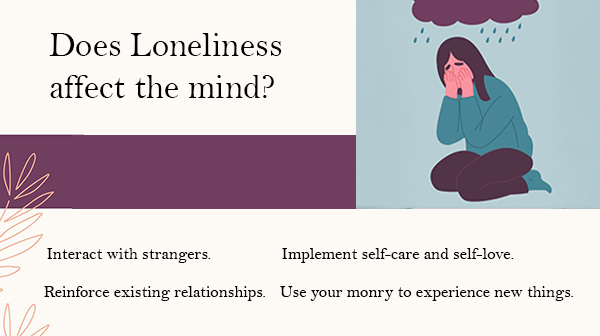
The good news? Yes. The brain is remarkably adaptable. With the right support, therapy, and meaningful social connection, it can form new neural pathways, restore chemical balance, and regain cognitive strength.
Encouraging regular social engagement, therapy, mindfulness practices, physical activity, and hobbies can go a long way in reversing the damage. Even small steps—like joining a community group or video chatting with a friend can make a big difference.
We’re Here to Help
At our clinic, we understand how deeply loneliness can affect your mental health and your brain. Whether you’re struggling with isolation, noticing cognitive changes in a loved one, or just want to feel more connected again, our experienced team is here to support you with personalised care and proven strategies.
You can rely on us for schizophrenia treatment and stress management medicines in Navi Mumbai.